Natural Fur, Feathers & Scales
Begin with the animal's main body color, then use a darker pencil only on ears, markings, feathers or scales.
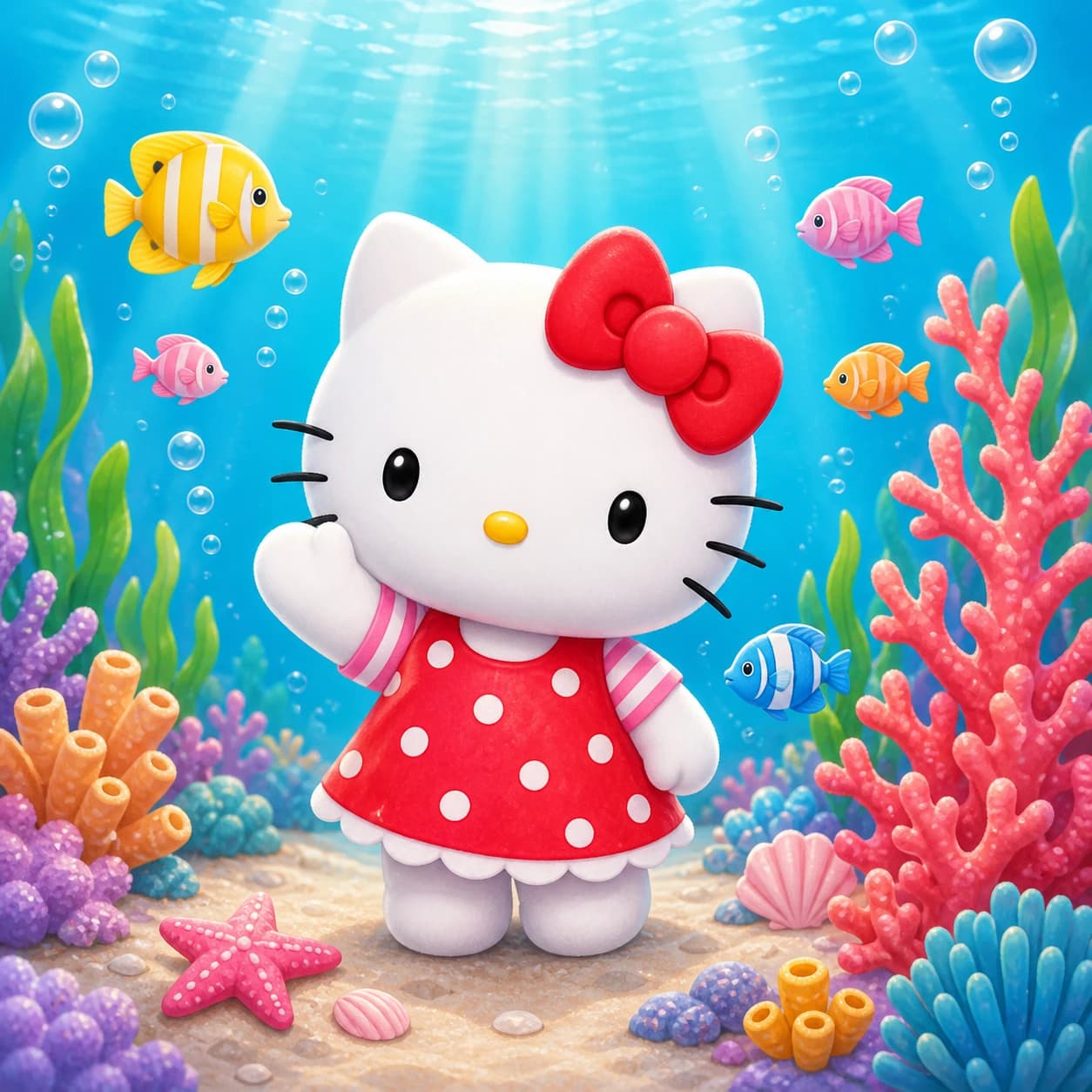
Take a calm look below the surface. These ocean animal coloring pages show sea creatures moving, resting, finding shelter and sharing a habitat without turning every page into the same underwater scene.
Clear one filter or return to the full collection.
Show all pagesOcean animals are easier to compare when each page gives the creature a clear role. A fish can move through a reef, a turtle can rest near a seafloor, and a larger animal can lead the eye through open water.
Preschool children can begin with one bold sea animal and a few bubbles or plants. Elementary learners can compare fins, shells, patterns and habitats, while teachers can use the pages as a gentle introduction to ocean vocabulary and observation.
Each published design is a separate high-resolution PNG for print or download. Use individual pages for a marine-life station or a quiet home activity; there is no bundled PDF claim.
Choose large, uncluttered sea animals for preschool and kindergarten, then move to reef, seafloor and open-water scenes for older learners.
The live collection includes fish, turtles, whales and other sea-life forms across reef, open-water and seafloor settings. Distinct movement and habitat details give each page a reason to exist.
Open an individual page to view the line art, then download its high-resolution PNG. Print in portrait orientation on A4 or US Letter paper and choose Fit to printable area. Standard paper works for crayons and colored pencils; heavier paper is useful for markers.
Browse the ocean animals collection and open the design that fits your coloring session.
Use the download action on the individual page to save its high-resolution PNG.
Print in portrait orientation on A4 or US Letter paper and choose Fit to printable area.
Use crayons, pencils or markers, then display the finished page or use it in your activity.
Use these practical palette ideas with crayons, colored pencils or markers.
Begin with the animal's main body color, then use a darker pencil only on ears, markings, feathers or scales.
Use soft greens for leaves and grass, or cool blues for water and sky, leaving a little white space around the subject.
Add tan, brown or gray to rocks, branches and ground details after the animal remains easy to recognize.
Once the coloring is done, use the finished page to continue the creative moment.
Invite the child to name the main subject or setting before coloring.
Offer one easy page and one more detailed page so each learner can choose a comfortable challenge.
Use the scene as a short conversation starter, then let the child make their own color choices.
Yes. Each published page is available as an individual high-resolution PNG for personal, family, homeschool and classroom use.
The live collection includes fish, turtles, whales and other sea-life forms across reef, open-water and seafloor settings. Distinct movement and habitat details give each page a reason to exist.
Choose large, uncluttered sea animals for preschool and kindergarten, then move to reef, seafloor and open-water scenes for older learners.
Download the PNG, choose portrait orientation, select A4 or US Letter paper and use Fit to printable area.
Yes. The pages work for a short lesson, a quiet station, a family activity or independent practice without requiring an account.